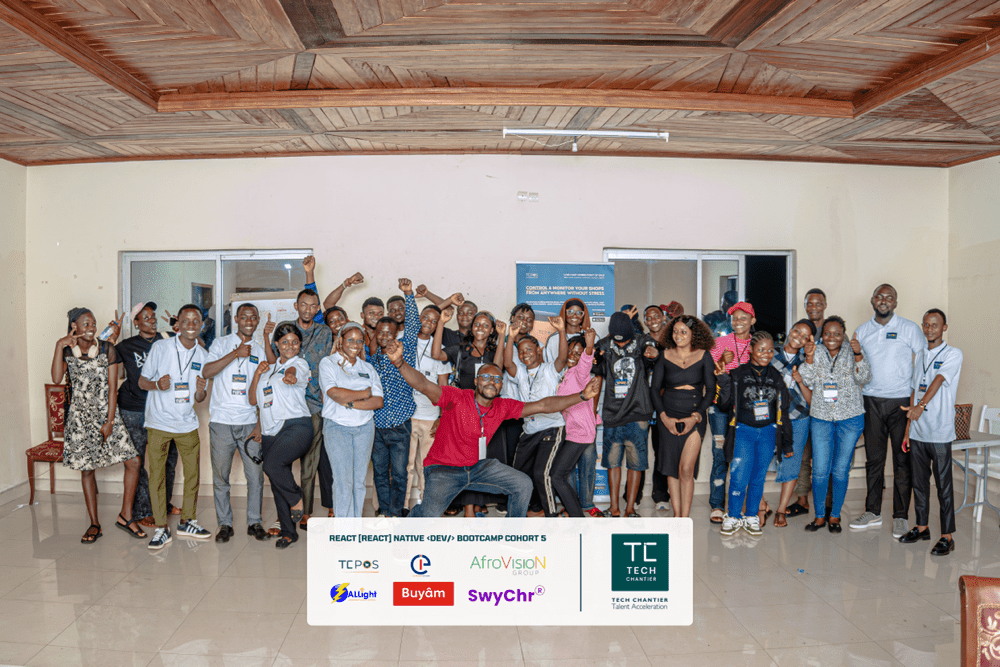
Phase 1 of 3 - React [React Native] Developers Bootcamp Cohort 5 Recap
From Thursday 11th to Saturday 13th December, we completed Phase One of Three of the React & React Native Developers Bootcamp (RRN25) in Buea. This was not just a three‑day training, but part of a longer journey we have been on for several years, trying to answer one persistent question: how do we help students leave school better prepared for the realities of the tech industry?
Why the React & React Native Developers Bootcamp Exists
The React & React Native Developers Bootcamp is now in its 5th cohort. The idea behind it is straightforward. Universities and higher institutes of learning are doing a lot of good work, especially in building foundational knowledge. However, many students still struggle when it comes to applying that knowledge in real‑world situations or understanding what employers actually expect from junior developers.
This bootcamp was created to help bridge that gap. We focus on practical skills, real tools, and industry‑relevant workflows, while still respecting the academic foundation students already have. The aim is not to replace school, but to complement it, so that by the time participants are close to graduation, they are closer to being employable, confident, and ready to contribute.
Over the past cohorts, we have trained a significant number of students. Some have gone on to secure full‑time roles, others freelance, some are contributing to startups, and others are still growing, but now with clearer direction. These outcomes are what continue to justify the work.
From Registration to Active Participation
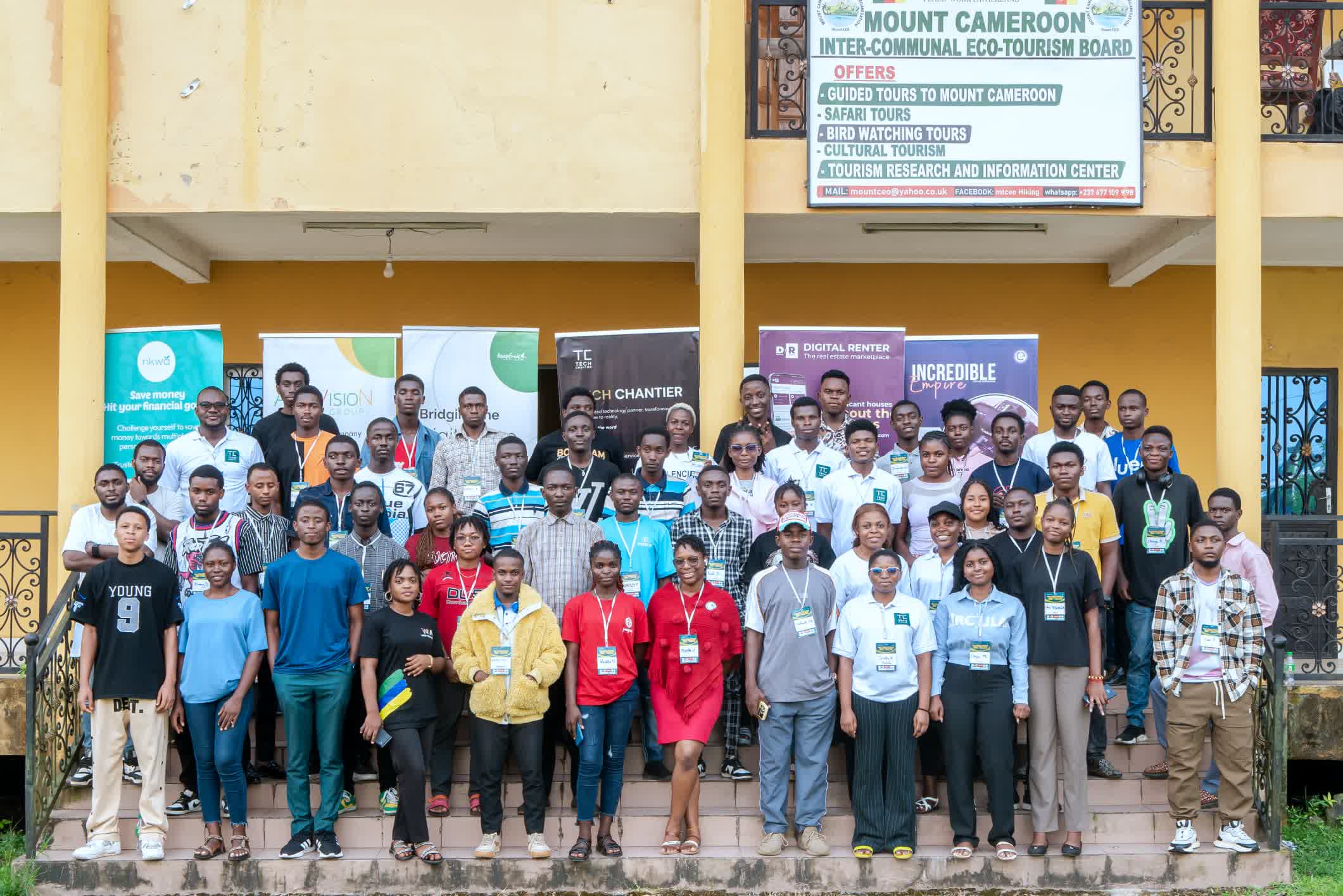
Before this edition started, registration was opened publicly. The response was encouraging, with over 100 students registering from about eight universities and higher institutes of learning across Buea.
As expected, academic schedules played a role. With examinations, graduations, and other school commitments happening around the same period, not everyone was able to participate fully. In addition to this, there were very real financial and logistical challenges.
Some students were unable to raise the commitment or participation fee, while others did not have access to suitable laptops or devices required for hands-on participation. These constraints meant that a number of interested students had to drop off along the way, despite their willingness to learn.
In the end, 34 participants attended consistently across the three days. Notably, over 60% of the participants were female, a strong and encouraging signal of the growing interest and presence of women in tech within our community.
While this number was smaller than the initial registrations, those who remained showed strong commitment. They showed up on time, asked questions, practiced along, and followed through with the sessions.
Day One: JavaScript Foundations
Day one focused on JavaScript fundamentals, facilitated by Eng Yaya Mamoudou, who has now trained with us more than once. The session was structured to help participants understand how JavaScript works, rather than just memorising syntax.
Key concepts were explained carefully, common mistakes were addressed, and participants were encouraged to ask questions whenever something was unclear. For many, this session helped clear up confusion they had carried for a long time and laid a solid foundation for the rest of the bootcamp.
Day Two: React and Building Real Interfaces
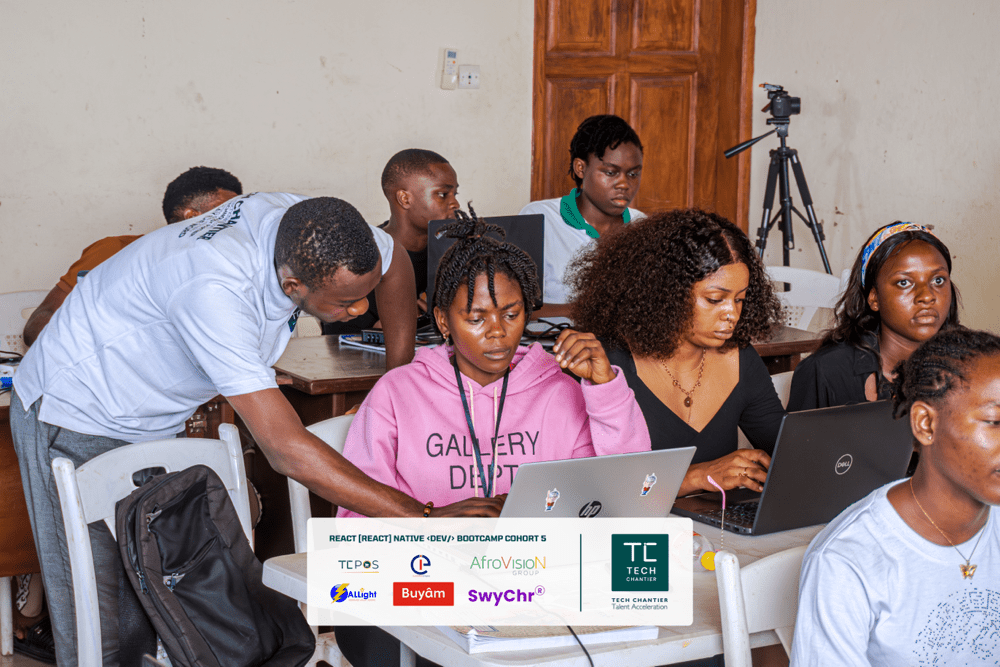
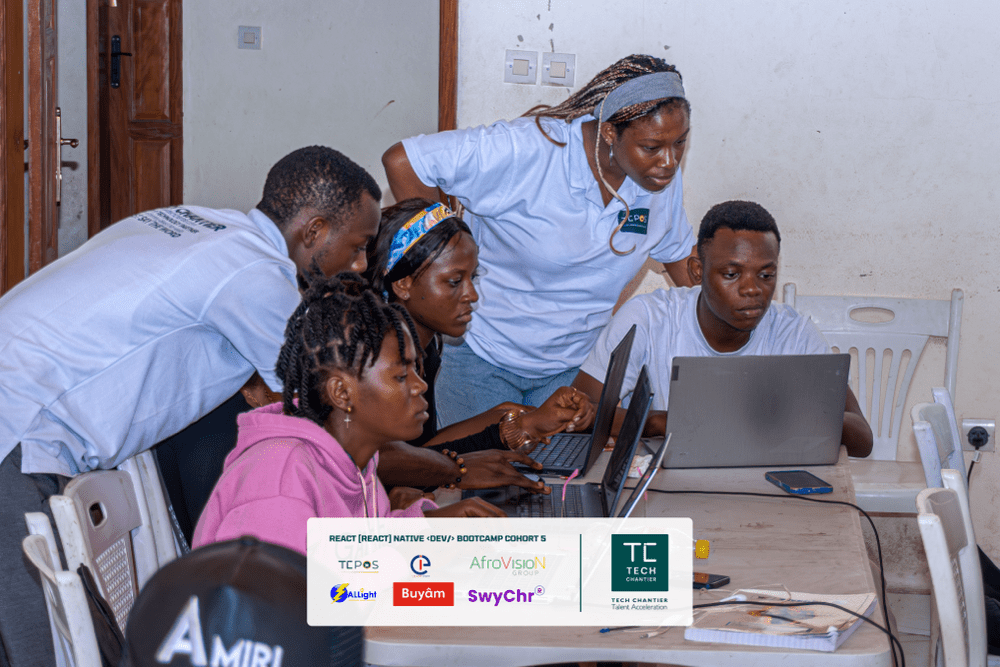
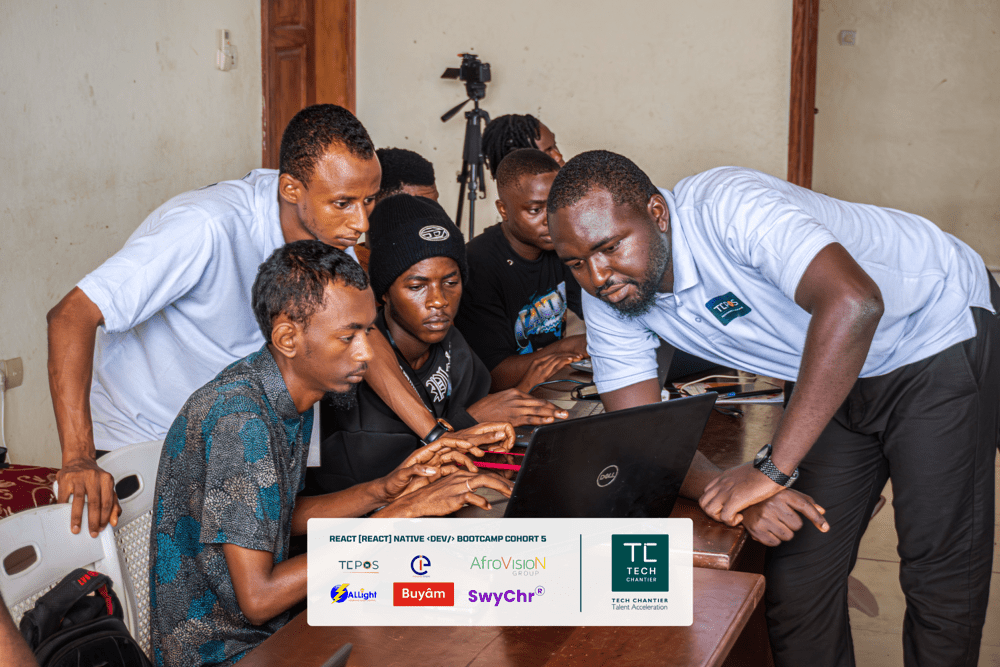
On the second day, the focus shifted to React, again led by Yaya Mamadu. Participants were introduced to component‑based development, state management, and how modern web interfaces are structured.
The session focused on practical understanding, helping participants see how different pieces fit together when building real applications. By the end of the day, many participants had a clearer picture of how React is used in real projects and why it is widely adopted in the industry.
Day Three: React Native and Industry Perspective
Day three introduced React Native, showing participants how the same concepts they learned on the web can be applied to mobile application development.
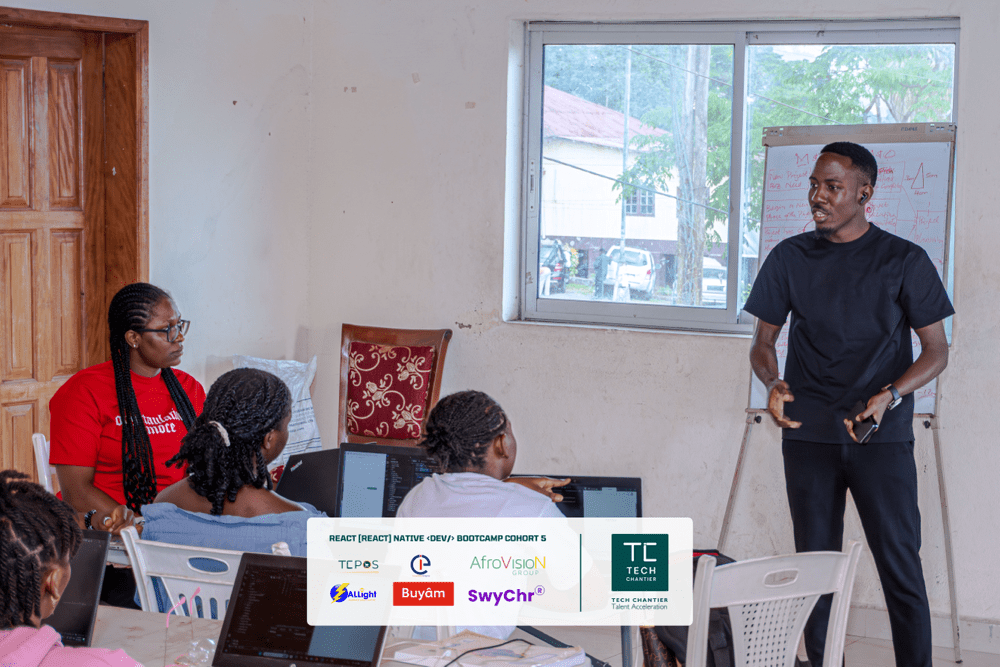
In addition to the technical training, we hosted Finjap Peter, CEO of Pikup, who spoke to participants about consistency, discipline, and staying committed even when progress feels slow. His session focused on the realities of building a career in tech and the importance of persistence, especially for those just starting out.
## From Past Participants to Co‑Trainers
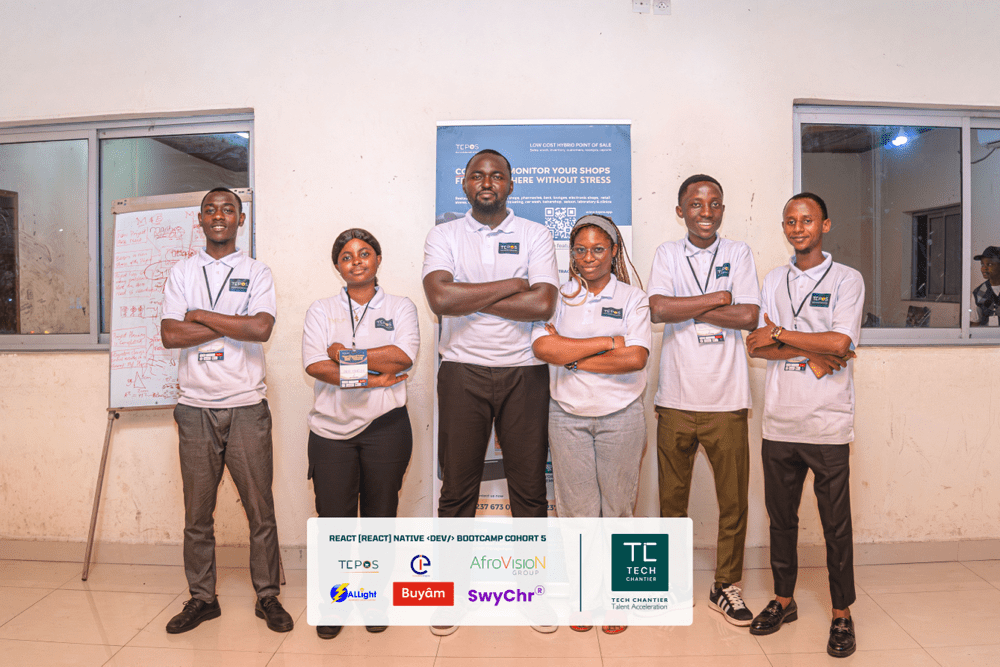
One important aspect of this year’s bootcamp was the involvement of five co‑trainers Ebong Valentine, Onye Martha, Mbu Eyeni, Jamison Lii and Issa Hamidou, all of whom were participants in last year’s program.
They volunteered their time to support this cohort, assisting during sessions, answering questions, and helping participants navigate challenges. Their involvement reflects the kind of community we are trying to build, where learning does not end with one cohort and where growth is shared.
Appreciation for Sponsors, Partners, and Community
With Phase One of the three‑phase bootcamp completed successfully, we would like to acknowledge the support that made this first stage possible.
This bootcamp was made possible through the support of our sponsors and partners. We sincerely appreciate:
- Bayam
- Afrovision
- All Light
- Swyhr
These organizations sponsored seats for students, making the training accessible to more participants.
We also thank our media partner, Incredible Empire, for covering the event and helping document the experience. Appreciation also goes to individuals who contributed financially and chose to remain anonymous.
Finally, we acknowledge the Silicon Mountain Community for their support in promoting the bootcamp and encouraging students to apply.
What Happens Next
The program has now moved into Phase Two, which consists of six online training sessions running until the end of December. These sessions are designed to reinforce concepts and support continued learning.
After that, participants will move into Phase Three, which focuses on project work in preparation for Demo Day in March. During Demo Day, the wider community will be invited to see the projects, interact with participants, and identify potential talent for teams, startups, or collaborations.
Looking Ahead
This bootcamp continues to confirm that there is strong potential among students when they are given the right structure, guidance, and exposure.
As we plan future editions, we remain open to working with sponsors, partners, and organisations that share the goal of strengthening the local tech ecosystem and supporting young developers as they transition from school into industry.
Thank you to everyone who contributed to the successful completion of Phase One of this bootcamp. As we move into the next phases, we remain committed to supporting participants through to Demo Day.
For partnership, sponsorship and collaboration, please write to us on WhatsApp +237 679574561 or via email at hello@techchantier.com.